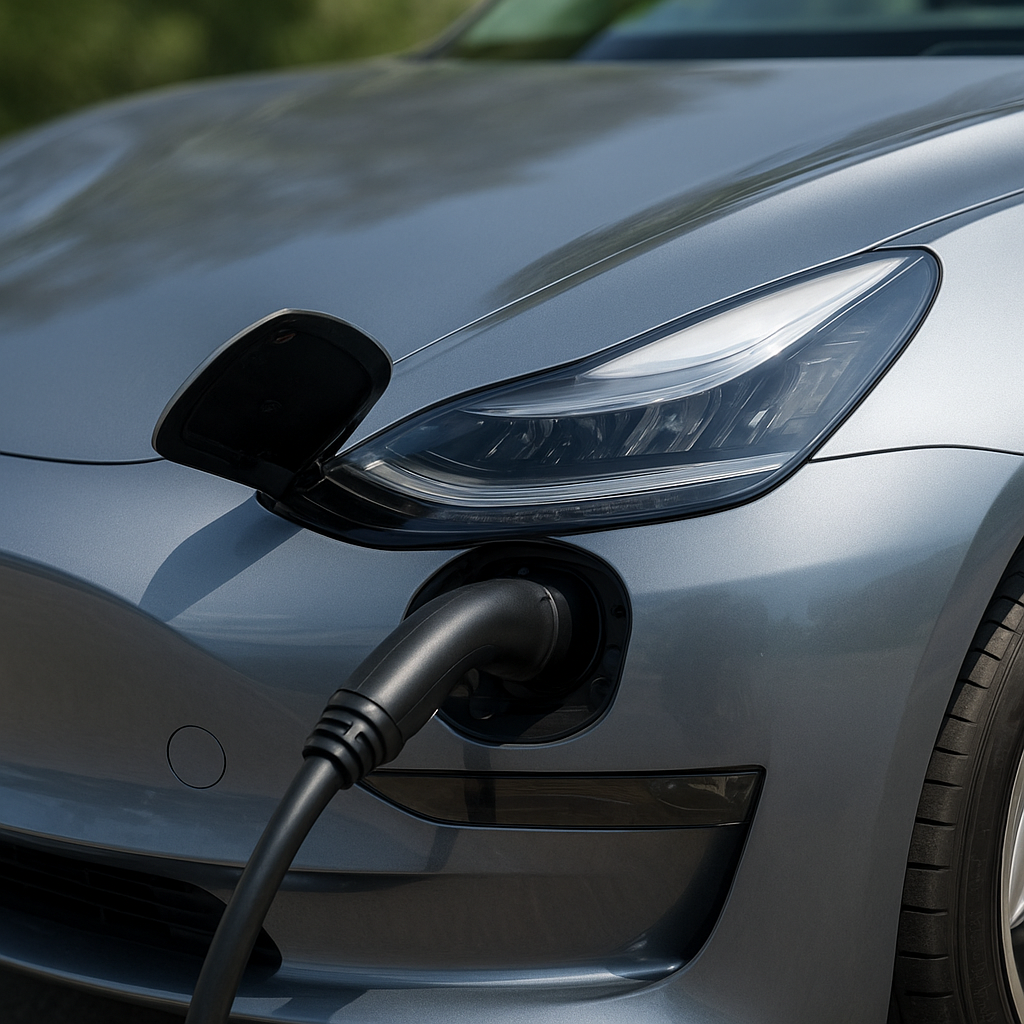
Do electric cars need oil changes
Do electric cars need oil changes: The Straight Truth About EV Maintenance
I have spent the last eight years wrenching on everything from vintage muscle rides to the latest battery-powered sedans, and the most common question I hear at coffee shops or garage bays still revolves around a simple misunderstanding. When you hand over the keys to a modern EV, the maintenance schedule looks completely different from what your parents taught you. The shift away from internal combustion engines rewrote the entire service manual, but confusion still lingers. Let us cut through the noise and look at what actually keeps your drivetrain running smoothly.
The Core Difference Between Combustion and Battery Power
Traditional vehicles rely on hundreds of moving metal parts grinding together at high speeds, wich is why lubrication is non-negotiable. An electric vehicle replaces that complexity with a sealed motor, power electronics, and a high-voltage battery pack. There is no crankcase, no pistons, and absolutely no place to pour traditional motor oil. The question of whether you need routine oil swaps is answered the moment you pop the front hood and see a plastic shroud instead of a valve cover.
Understanding basic terminology helps clarify why the service bay experience changed so drastically. We moved from mechanical wear management to thermal management. Instead of tracking viscosity breakdown and soot accumulation, modern technicians monitor coolant loops, insulation resistance, and software calibration. The transformation from frequent fluid swaps to predictive diagnostics represents one of the biggest leaps in automotive history since the carburetor gave way to fuel injection.
Fluids That Actually Matter in Modern EVs
You might skip the engine bay, but that does not mean your car runs on magic. Several specialized lubricants and hydraulic fluids still require attention, just on entirely different intervals. Here is what you should track:
| Component | Fluid Type | Typical Interval | EV Status |
|---|---|---|---|
| Brake System | DOT 3/4 Fluid | 2 to 4 years | Reduced usage due to regen braking |
| Thermal Management | Glycol Coolant | 5 to 10 years | Critical for battery health |
| Reduction Gear | Synthetic Gear Oil | 60k to 100k miles | Sealed unit, rarely changed |
| Power Steering | Electric Motor Assist | None | Fully electronic |
Regenerative braking captures kinetic energy and slows the vehicle without touching the friction pads, which drastically extends the lifespan of your hydraulic system. Meanwhile, the battery cooling loops use specialized dielectric fluids to prevent overheating during fast charging sessions. You are not topping up crankcase oil anymore, but neglecting these specialized liquids will void your warranty and definatly degrade range over time.
“The average owner still expects a dipstick and a drain plug. The reality is that EV service revolves around thermal stability, software patches, and brake component preservation rather than combustion byproduct removal.”
How Maintenance Has Shifted Over the Last Decade
When the first mass-market battery cars hit the streets around 2012, owners faced a steep learning curve. Early models required frequent dealer visits for battery balancing checks and manual firmware flashes. Today, over-the-air updates handle most calibration work, and predictive algorithms alert you before a component degrades. The industry moved from reactive repairs to proactive monitoring, which means fewer surprise breakdowns but a heavier reliance on certified diagnostic tools.
I remember swapping oil every three thousand miles like clockwork. That rhythm is gone. Modern owners now track tire rotation, cabin air filter replacement, and brake caliper lubrication. The physical labor dropped significantly, but the technical precision increased. You cannot just pour a universal additive into a sealed system and expect it to work. Manufacturers specify exact fluid grades, and using the wrong type can compromise heat dissipation across the pack.
When to Visit a Specialist Versus DIY Checks
You can handle basic visual inspections and wiper fluid top-ups in your driveway, but high-voltage systems demand professional handling. Certified technicians follow strict lockout-tagout procedures to prevent arc flashes while servicing cooling lines or reduction gears. If you want a reliable breakdown of current service standards, the Department of Energy vehicle guide outlines the baseline requirements for most North American models. Independent shops with Level 3 EV certification often charge less than brand dealerships while delivering identical fluid flushes and software diagnostics.
- Schedule brake fluid testing every two years regardless of mileage
- Monitor tire pressure weekly to offset instant torque wear
- Verify coolant levels before long road trips or extreme weather shifts
- Keep software updated to maintain optimal thermal throttling
The landscape shifted dramatically, but the core principle remains unchanged: every machine requires routine attention to perform safely. You will not find a filler neck under the hood, and you will not waste money on unnecessary lubricant swaps. Focus on what actually degrades, follow the manufacturer intervals, and let the battery do what it was engineered to do. I still keep a few old service manuals on my shelf for nostalgia, but my current daily driver runs cleaner with half the trips to the garage. Just remember to check the owner manual before pouring anything into a reservoir, because mixing glycol types can cause more harm than skipping a synthetic swap ever would.