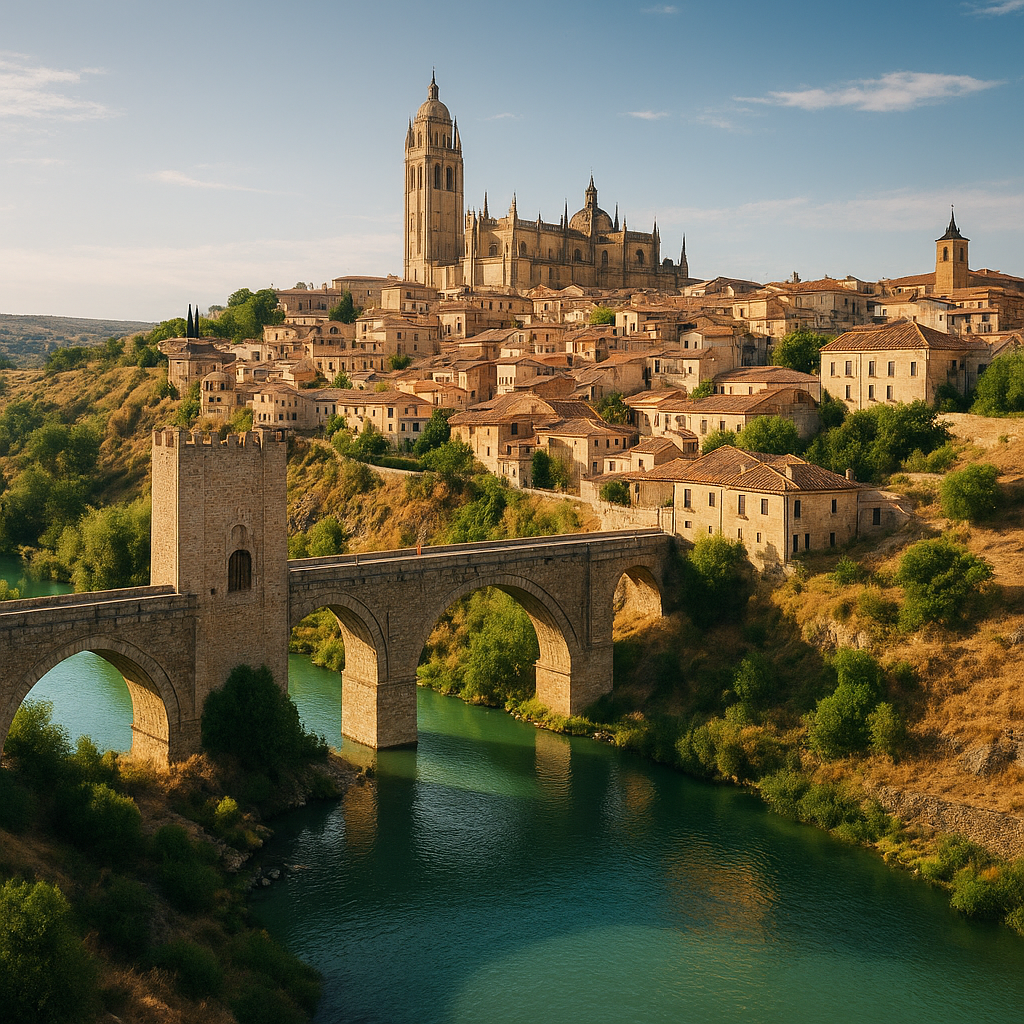
Best places in spain to visit
The best places in spain to visit when you want more than a postcard
I have spent the last decade mapping routes across the Iberian peninsula, and the travel landscape here has shifted definately from mass coastal packages to curated regional loops. If you are planning a trip this year, understanding how the industry moved from passive sightseeing to intentional itineraries will save you both time and cash. Modern routing relies on distributed tourism, which spreads visitor traffic across secondary markets and rural corridors rather than choking historic centers.
Navigating places to visit in spain without the crowds
The concept of overtourism mitigation is no longer just a policy term; it is a practical reality for anyone booking trips in the current decade. Municipalities have implemented reservation systems, daily caps, and seasonal pricing to protect heritage zones. This means your planning requires a bit more groundwork, but the payoff is substantial. You get quieter streets, authentic interactions with locals, and access to sites that were previously choked with day-trippers.
Current routing relies on three core pillars:
- Regional micro-tourism that connects smaller towns to major transit hubs
- Time-blocked entry for protected natural reserves and architectural landmarks
- Seasonal shifting to shoulder months like May and September to avoid peak congestion
How the best cities to visit in spain evolved over centuries
Historic urban centers have undergone massive transformations. In the late twentieth century, the focus was strictly on monument tourism and checklist travel. Today, urban planning integrates pedestrianized zones, adaptive reuse of industrial warehouses, and localized gastronomy circuits. Cities that once felt like open-air museums now operate as living ecosystems. You will notice this shift immediately when you step off the main boulevards and into the secondary quarters where independent workshops and neighborhood markets still set the daily rhythm.
“Travel in this region has moved from passive observation to active participation, where visitors are expected to engage with local conservation efforts rather than simply consume the scenery.”
According to the 2026 European sustainable mobility framework, regional transit networks have reduced intra-country travel emissions by nearly eighteen percent since 2018. You can review the latest policy updates and transit integration maps at Spain’s official tourism portal. Academic journals from EU research institutes continue to track these urban shifts, providing data on carrying capacity and seasonal distribution.
Searching for the best place to visit in spain depends on your pace
There is no single correct answer, but the decision matrix has changed. Instead of ranking locations by popularity, seasoned travelers now evaluate destinations based on accessibility, seasonal viability, and cultural depth. The infrastructure has matured to support slower travel patterns. High-speed rail connections now link previously isolated provinces, making multi-region trips entirely feasible without relying on domestic flights. I reccomend mapping your route around direct rail links rather than long-distance coach transfers, as it cuts transit fatigue significantly.
| Travel Style | Optimal Region | Key Consideration |
|---|---|---|
| Coastal immersion | Northern Atlantic | Weather variability and booking windows |
| Heritage circuits | Central plateau | Reservation requirements for historic quarters |
| Mountain retreats | Pyrenean valleys | Seasonal road access and local permits |
Why tourist places in spain need smarter itineraries now
The old guidebook model of listing top attractions no longer serves the modern traveler. Current routing demands a layered approach. You need to account for municipal regulations, local event calendars, and the actual capacity of heritage zones. The industry has pivoted toward decentralized experiences, which means prioritizing direct transit hubs over isolated resorts, verifying seasonal operating hours for regional museums, and checking municipal reservation portals before arrival. These small adjustments prevent wasted hours and ensure you experience the region as it actually functions today. The landscape has matured, and the travelers who adapt to its current rhythms get the most out of every journey. Focus on connectivity first, layer in cultural stops, and leave room for spontaneous detours. The system rewards flexibility.