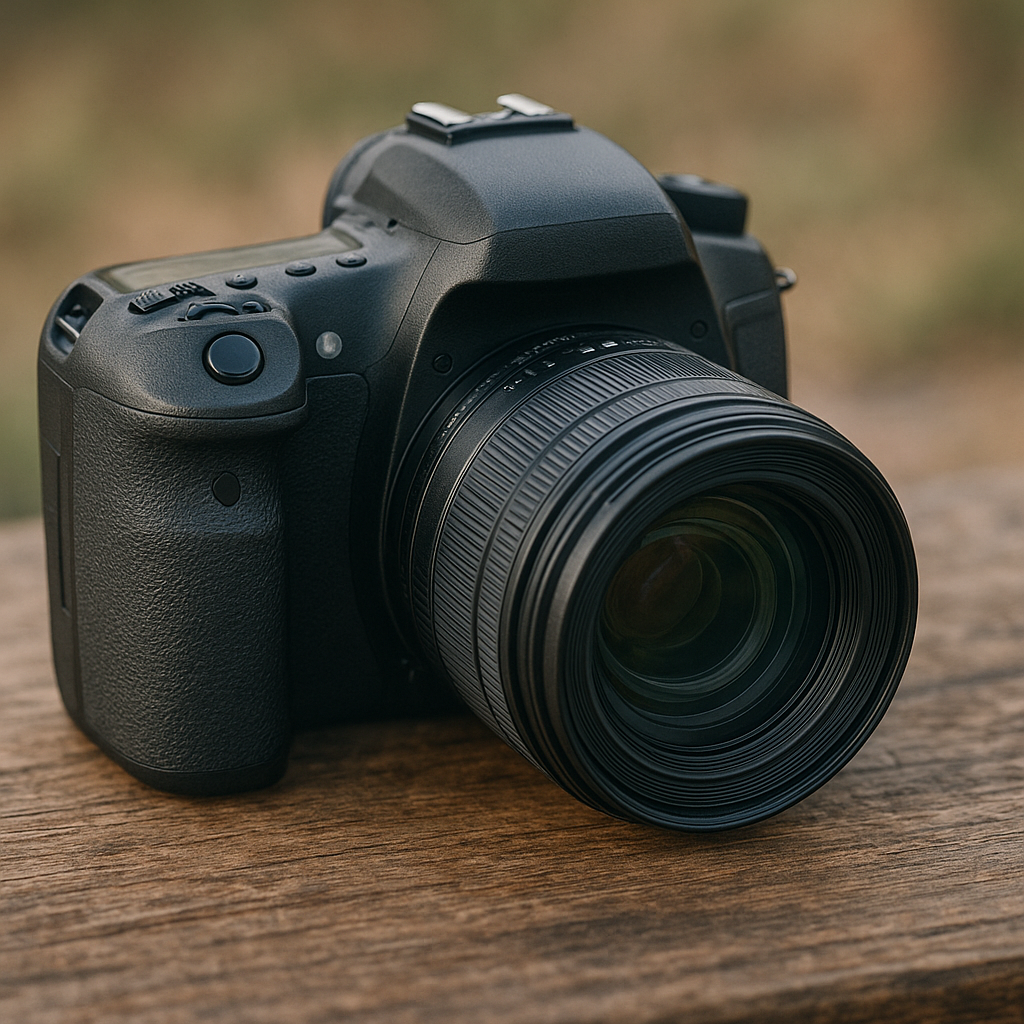
Digital camera digital camera
Digital camera digital camera: The Real Deal Behind The Retro Revival
I remember dragging my first point-and-shoot through college, hunting for that specific flash look that modern phones just cant replicate. Fast forward to now, and the market is flooded with people searching for a digital camera digital camera setup, which sounds redundant until you realize how fragmented the tech landscape has become. We are not just buying gear anymore. We are buying time machines. The terminology can get messy. CCD sensors versus CMOS, optical zoom versus digital cropping, RAW versus JPEG compression. It gets complicated fast, but once you grasp the basics, the whole ecosystem clicks.
Digital camera vintage: Why Old Tech Feels New
The shift started quietly around 2018 but exploded by 2024. Gen Z and millennials in the EU and USA realized that computational photography strips away imperfections we actually miss. Grain, blown highlights, that slight delay on the shutter. These arent flaws. They are character. Back in the early 2000s, manufacturers were racing to push megapixels past ten. Today, we are deliberately capping them at five.
Photography stopped being about perfect records and started being about emotional fingerprints. The medium evolved, and we finally caught up.
I spent months testing early Panasonic Lumix models and Sony Cyber-shot units from 2006. The learning curve is real. Manual exposure compensation, fixed focal lengths, battery degradation. You have to adapt. But the payoff is a workflow that forces you to slow down and actually compose shots instead of spraying and praying.
Vintage digicam: Navigating The Market In 2026
Finding working units requires patience. eBay, local thrift shops, and specialized forums are your best bets. Prices have stabilized after the initial hype spike, but you still need to verify sensor health and battery compartment corrosion.
- Check the CCD for dead pixels and oil spots.
- Verify memory card compatibility, since many only read SD cards under 32GB.
- Test the flash capacitor, which often fails after years of dormancy.
| Feature | Early 2000s Models | Modern Mirrorless |
|---|---|---|
| Sensor Type | CCD | CMOS |
| Color Rendering | Warm, film-like | Clinical, accurate |
| Post-Processing | Minimal needed | Heavy reliance |
I have to admit, hunting for a reliable camrea takes effort. The market shifted from corporate clearance sales to collector auctions, which changes how we approach pricing and condition checks. Industry reports from early 2026 confirm the trend is moving beyond nostalgia into serious creative tooling.
Cute digital cameras: Beyond The Aesthetic
Compact designs with pastel shells and rounded corners get all the social media attention, but the real value lies in ergonomics. Smaller bodies force you to shoot closer to the subject, creating intimate portraits that feel less staged. The Y2K aesthetic is just the wrapper. Inside, you find limited dynamic range that actually teaches you how to meter light properly. You learn to work with shadows instead of fighting them.
Vintage digital camera: Long-Term Value And Maintenance
Keeping these units running past their original lifespan demands basic electronics knowledge. Soldering new capacitors, replacing degraded lithium cells, and cleaning oxidation off battery contacts are routine tasks now. I definately recommend keeping a multimeter handy. The community has grown into a proper support network, sharing firmware dumps and repair schematics that were never meant for public release. This shift from disposable tech to repairable gear reflects a broader cultural reset. We stopped treating hardware as temporary and started treating it as archival. The workflow changed, the tools adapted, and the creative output finally feels human again.