Naics code for apartments
Naics code for apartments: The Real Guide For Modern Property Operators
If you have spent any time filing business taxes, applying for a loan, or trying to track down accurate market data, you already know the headache of industry classification. I have been navigating the property sector for over a decade, and I still see folks getting tripped up by the same bureaucratic maze every year. The system that runs everything from census tracking to lender risk models is built on a simple string of numbers. Getting it wrong means delayed approvals, mismatched tax brackets, and messy financial reports. Back in the late nineties, we relied on a completely different framework that lumped everything together. Today, the updated classification splits assets into highly specific buckets, which actually helps owners scale smarter. Let us cut through the paperwork and see how this actually works on the ground in twenty twenty six.
Decoding The estate naics code For Property Tracking
The term itself stands for North American Industry Classification System. It replaced the old SIC model because modern portfolios grew way too complex for broad categories. An estate naics code acts as a digital fingerprint for any business dealing with land, buildings, or leasing operations. When you register a new venture or update your state filings, the government needs a standardized way to group you with similar operators. This matters for everything from insurance premiums to municipal zoning reviews. The shift happened gradually over the last twenty years, moving from rigid property types to activity-based tracking. Instead of just labeling a building as residential or commercial, the system now maps the actual business function. Are you leasing? Managing? Developing? Each action pulls a different identifier. That granularity is what keeps market data clean and helps lenders spot trends before they hit mainstream reports.
The commercial real estate naics code And How It Evolved
Office towers, retail plazas, and industrial parks all fall under a completely different numbering sequence. The commercial real estate naics code framework was redesigned to separate pure asset holding from active management services. A decade ago, most filing forms treated a landlord and a property manager as identical. That caused massive confusion in economic reporting. Today, the structure acknowledges that leasing an empty warehouse is a different economic activity than running a full-service facility. This transformation directly impacts how investors benchmark performance. You can finally compare your occupancy rates against a precise peer group instead of guessing which sector matches your portfolio. The dynamic shift also means better access to specialized financing. Banks use these identifiers to price risk, and accurate mapping often translates to tighter spreads on construction loans or bridge facilities.
- Verify primary revenue streams before submitting state paperwork
- Cross-check local zoning permits with federal classification tables
- Update filings immediately when your core business model shifts
Applying The naics code for commercial real estate In Daily Operations
When you sit down to file quarterly taxes or renew a business license, the exact sequence you pick dictates which regulatory requirements apply. The naics code for commercial real estate covers sectors like office leasing, retail space rentals, and industrial property management. Here is a quick breakdown of how the primary sequences map to actual operations:
| Asset Type | Primary Activity | Standard Sequence |
|---|---|---|
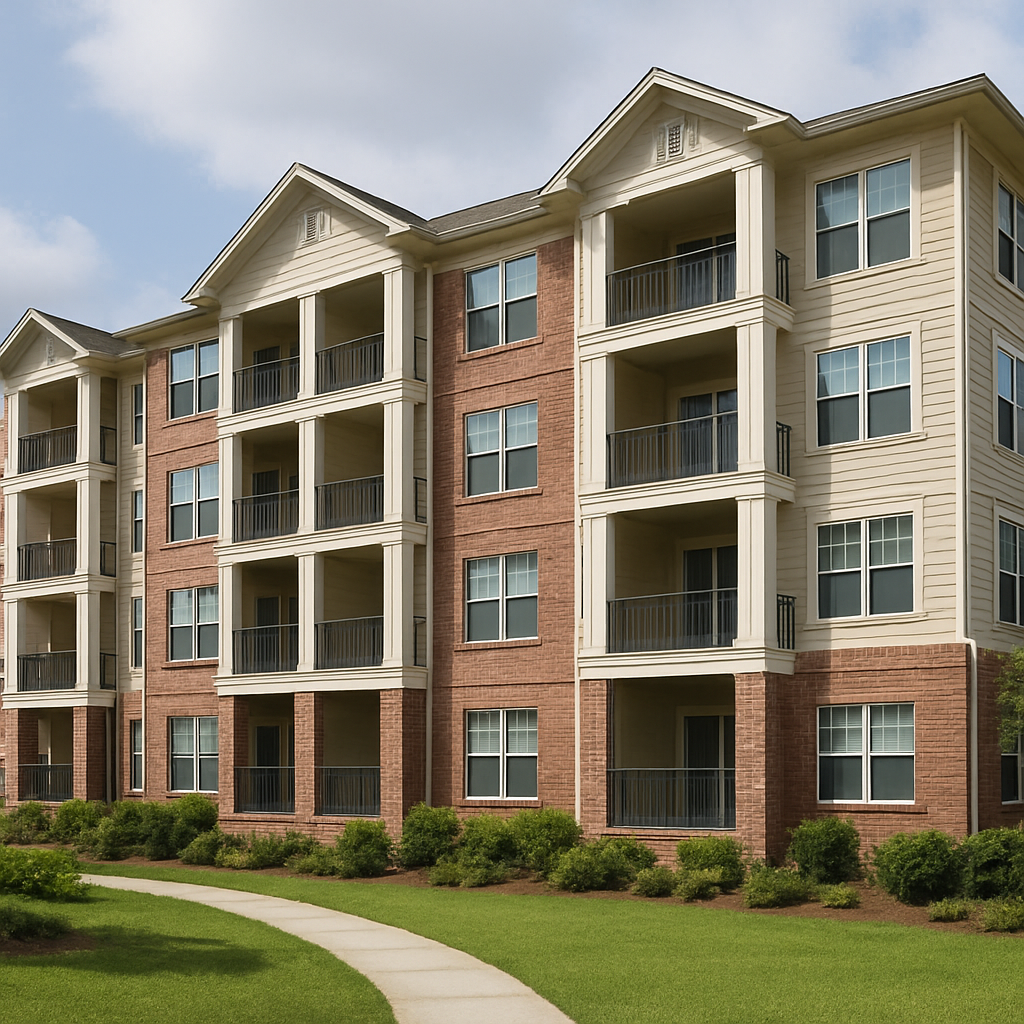
| Multifamily Buildings | Long-term leasing | 531110 |
| Office Spaces | Tenant leasing | 531120 |
| Retail Centers | Lease management | 531130 |
| Industrial Warehouses | Asset holding | 531190 |
Notice how the numbers branch based on function rather than brick-and-mortar appearance. That distinction saves hours of back-and-forth with accountents. I have seen investors accidentally register a mixed-use development under the wrong bucket and spend months untangling mismatched depreciation scheduls. Always verify the primary revenue driver before submitting forms.
Navigating naics code commercial real estate For Portfolio Growth
Scaling a holdings portfolio means tracking performance across multiple jurisdictions and market cycles. The naics code commercial real estate identifiers feed directly into syndicated databases used by institutional buyers. When you align your filings correctly, third-party analytics platforms can automatically pull your assets into the right comps. That visibility attracts better capital partners and simplifies exit strategies. The industry moved away from manual classification decades ago, but plenty of smaller operators still guess at the numbers. That habit creates friction during due diligence. If your paperwork does not match the actual economic activity, buyers will discount your valuation or walk entirely. Keep your records synchronized with the latest census updates, and you will avoid those last-minute renegotions.
“Classification accuracy is not just a compliance checkbox. It is the foundation of how lenders, insurers, and buyers evaluate your asset’s true market position in twenty twenty six.”
You can cross-reference the official sequencing tables directly through the census bureau portal at the official NAICS directory. Matching your operations to the right sequence takes about fifteen minutes, but it pays off in cleaner audits, faster loan approvals, and sharper market intelligence. Stick with verified sequences, update your filings whenever your core revenue stream shifts, and let the numbers do the heavy lifting for your next acquisition.